
Hantavirus on the High Seas: 3 Died, more than 6 may be infected
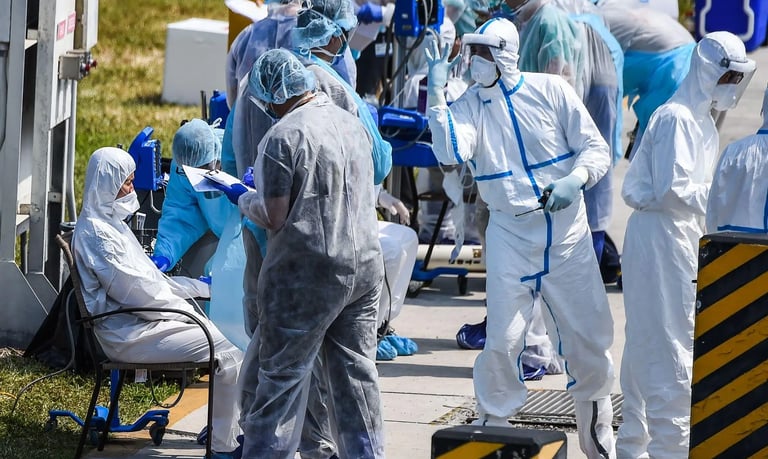
The deadly hantavirus outbreak aboard the luxury expedition ship MV Hondius — a terrifying health emergency that has now claimed at least three lives and left eight people infected or under investigation, sparking international concern and renewed fears about infectious disease outbreaks at sea.
A Luxury Voyage Turns Into a Medical Emergency
What was supposed to be a once-in-a-lifetime Antarctic expedition quickly turned into a nightmare for nearly 150 passengers and crew members onboard the Dutch-operated vessel.
The ship had been sailing through remote parts of the South Atlantic after departing from Ushuaia, Argentina, carrying travelers from more than 20 countries. Passengers were expecting glaciers, wildlife excursions, and adventure tourism. Instead, many found themselves trapped in what some described as “a floating quarantine.”
According to investigators, the outbreak may have started during shore excursions in rodent-prone areas of South America. Health officials believe passengers were likely exposed to the Andes strain of hantavirus, a rare but highly dangerous virus commonly linked to infected rodent urine, saliva, or droppings.
Soon after returning to the vessel, several passengers reportedly began experiencing flu-like symptoms. At first, many believed it was a seasonal illness or exhaustion from the voyage. But conditions rapidly worsened.
Passengers developed:
High fevers
Severe fatigue
Muscle aches
Shortness of breath
Breathing complications
Medical teams onboard soon realized the situation was far more serious.
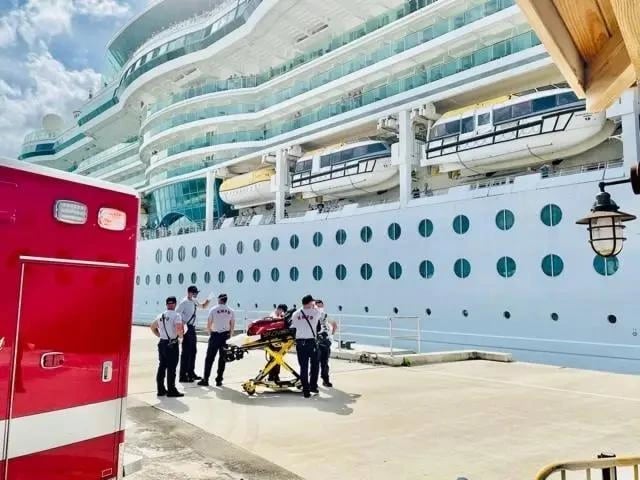
As panic spread through the ship, cabins were converted into isolation rooms. Crew members wearing masks and protective equipment moved through hallways conducting emergency health screenings while meals were delivered directly to passenger cabins.
One passenger reportedly described the atmosphere as:
“Quiet, tense, and frightening. Nobody knew who would get sick next.”
Authorities have confirmed that at least three people have died in connection with the outbreak, including a Dutch passenger and his wife. Several additional cases remain under observation as health agencies continue testing and monitoring passengers worldwide.
What has alarmed experts most is the strain involved.
The Andes hantavirus is considered especially dangerous because, unlike most hantaviruses, it has shown limited ability to spread between humans through prolonged close contact. While experts stress that it is nowhere near as contagious as COVID-19, the virus carries a high fatality rate in severe cases.
The outbreak immediately triggered a global response.
Health officials from multiple countries began contact tracing passengers who had already left the ship before the outbreak was fully identified. International agencies, including the World Health Organization and national disease control centers, coordinated emergency monitoring efforts as concern spread across several continents.
The ship had been sailing through remote parts of the South Atlantic after departing from Ushuaia, Argentina, carrying travelers from more than 20 countries. Passengers were expecting glaciers, wildlife excursions, and adventure tourism. Instead, many found themselves trapped in what some described as “a floating quarantine.”
According to investigators, the outbreak may have started during shore excursions in rodent-prone areas of South America. Health officials believe passengers were likely exposed to the Andes strain of hantavirus, a rare but highly dangerous virus commonly linked to infected rodent urine, saliva, or droppings.
Soon after returning to the vessel, several passengers reportedly began experiencing flu-like symptoms. At first, many believed it was a seasonal illness or exhaustion from the voyage. But conditions rapidly worsened.
Passengers developed:
High fevers
Severe fatigue
Muscle aches
Shortness of breath
Breathing complications
Medical teams onboard soon realized the situation was far more serious.
As panic spread through the ship, cabins were converted into isolation rooms. Crew members wearing masks and protective equipment moved through hallways conducting emergency health screenings while meals were delivered directly to passenger cabins.
One passenger reportedly described the atmosphere as:
“Quiet, tense, and frightening. Nobody knew who would get sick next.”
Authorities have confirmed that at least three people have died in connection with the outbreak, including a Dutch passenger and his wife. Several additional cases remain under observation as health agencies continue testing and monitoring passengers worldwide.
What has alarmed experts most is the strain involved.
The Andes hantavirus is considered especially dangerous because, unlike most hantaviruses, it has shown limited ability to spread between humans through prolonged close contact. While experts stress that it is nowhere near as contagious as COVID-19, the virus carries a high fatality rate in severe cases.
The outbreak immediately triggered a global response.
Health officials from multiple countries began contact tracing passengers who had already left the ship before the outbreak was fully identified. International agencies, including the World Health Organization and national disease control centers, coordinated emergency monitoring efforts as concern spread across several continents.
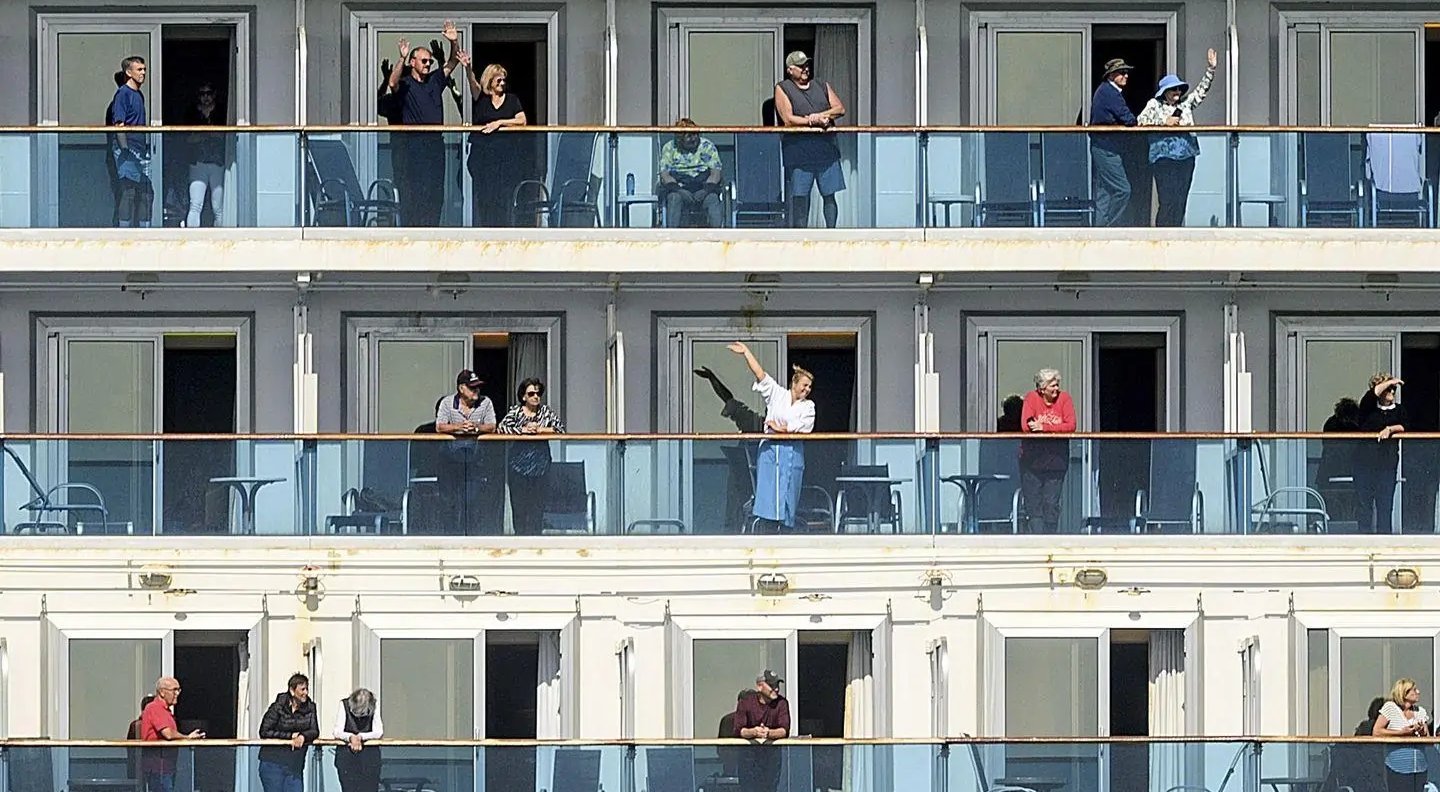
For days, the ship faced uncertainty over where it could dock safely. Eventually, authorities allowed the vessel to anchor near Tenerife under strict quarantine conditions while medical evaluations continued.
The incident has also reignited criticism surrounding health preparedness in the cruise industry.
Many are now asking:
Could the outbreak have been detected earlier?
Were passengers warned quickly enough?
Were safety measures adequate onboard?
And could this situation have been prevented?
Cruise operators insist they followed international health protocols and acted as soon as symptoms became serious. However, public health experts say the incident highlights how quickly infectious diseases can spread in isolated travel environments where hundreds of people share enclosed spaces.
Despite growing concern, officials continue to emphasize that this outbreak is currently considered contained and does not pose the same level of transmission risk seen during the COVID-19 pandemic.
Still, for the passengers aboard the MV Hondius, the experience has been life-changing.
What began as a luxury voyage through some of the world’s most beautiful landscapes became an international medical emergency — one that now serves as a powerful reminder of how unpredictable emerging viruses can be, even in the middle of the open ocean.
Investigations into the source of the outbreak remain ongoing tonight, as health officials continue monitoring passengers and crew members for additional symptoms in the weeks ahead.
Frequently Asked Questions (FAQs)
What caused the hantavirus outbreak on the ship?
Investigators believe passengers may have been exposed to rodents during excursions in South America before boarding the vessel.
Is hantavirus contagious between humans?
Most hantaviruses are not, but the Andes strain involved in this outbreak can spread through prolonged close contact.
How many people died in the ship due to Hantavirus outbreak?
Reports currently confirm three deaths linked to the outbreak.
Can hantavirus spread like COVID-19?
No. Health officials say hantavirus spreads far less easily than COVID-19.
What are the first symptoms?
Fever, muscle aches, fatigue, and breathing difficulties are common early warning signs.