Small Daily Changes That Can Make You Happier


Life rarely changes overnight.
Most of the time, happiness enters quietly — through slower mornings, kinder thoughts, better sleep, and moments we almost ignore because they seem too small to matter.
The strange thing is… those small moments usually matter the most.
People spend years chasing “big happiness.” A better job. More money. A perfect relationship. A future version of life where everything finally feels complete. But real happiness often starts much earlier than that — in the ordinary parts of the day.


One tiny habit that changes everything?
Not touching your phone the second you wake up.
Most people begin their day by absorbing stress, notifications, and other people’s lives before they’ve even checked in with themselves. A quieter start changes your entire mood.
Open the curtains. Drink water slowly. Sit in silence for five minutes. That alone can make life feel less rushed.
Happiness often begins with creating a little space between yourself and the noise.


There’s a reason people feel calmer near water, trees, sunlight, and open skies.
Nature slows the brain down.
Even a short walk outside can reduce stress and help your mind reset. You do not always need therapy, motivation, or another productivity hack. Sometimes your nervous system simply needs fresh air and silence.
That is why some of your clearest thoughts happen outdoors.
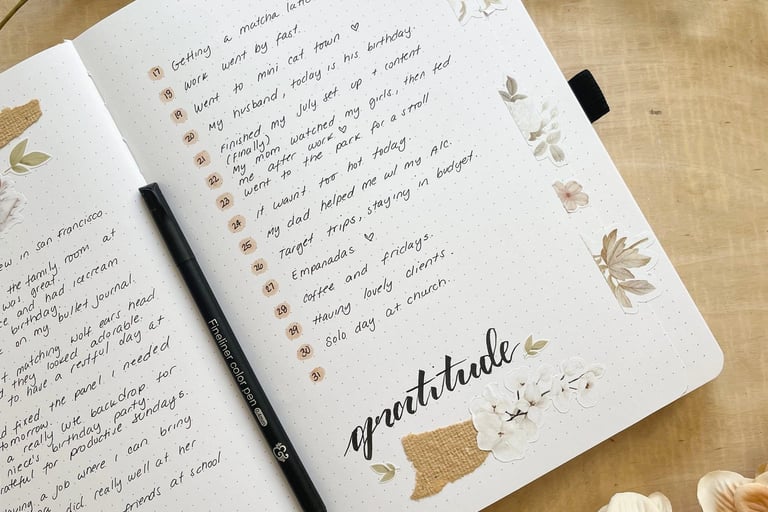
Most people underestimate gratitude because it feels too simple.
But paying attention to what is still good in your life changes your perspective over time. Not in a fake “positive vibes only” way — but in a grounded, realistic way.
A peaceful morning.
A healthy body.
Someone checking on you.
A good cup of tea after a stressful day.
Life becomes lighter when you stop overlooking these moments.
A lot of emotional struggles become heavier when basic needs are ignored.
Better sleep. More sunlight. Drinking enough water. Moving your body a little more. These sound simple because they are simple — but they directly affect mood, stress, and mental clarity.
You do not need a perfect routine.
Even a 15-minute evening walk can improve your mental state more than endlessly scrolling social media trying to “relax.”
Your body and your mind are always connected.
You can improve your life dramatically by spending more time with people who make you feel calm instead of drained.
A short conversation with someone who genuinely listens can improve your entire day. Human connection affects happiness more deeply than most people realize.
Not every relationship needs to be exciting.
Peaceful relationships are underrated.
Sometimes happiness looks like:
laughing during dinner,
getting a thoughtful message,
or sitting comfortably with someone in silence.
Those moments stay with people longer than expensive experiences.
Happiness Is Usually Quiet
Real happiness is rarely loud.
It is not always huge celebrations or dramatic life changes. Often, it looks like:
sleeping peacefully,
feeling emotionally safe,
having energy again,
laughing naturally,
and no longer feeling at war with your own mind.
That kind of happiness grows slowly.
And honestly, that makes it more real.
Frequently Asked Questions (FAQs)
1. Can small habits really change your life?
Yes. Small daily habits shape your mindset, emotional health, energy levels, and overall wellbeing over time. Consistency matters more than dramatic changes.
2. What is the easiest way to become happier?
Start with simple changes like:
sleeping better,
spending less time on your phone,
moving your body daily,
and practicing gratitude.
Small improvements create long-term emotional balance.
3. Why do people struggle to feel happy even when life looks fine?
Many people experience stress, burnout, comparison, emotional exhaustion, or lack of purpose even when things appear “good” externally. Happiness is deeply connected to mental wellbeing, relationships, and inner peace.
4. How can I stop overthinking and enjoy life more?
Slowing down helps. Spending less time online, practicing mindfulness, journaling, exercising, and focusing on the present moment can reduce overthinking significantly.
5. Does social media affect happiness?
Yes. Excessive social media use can increase comparison, anxiety, stress, and feelings of inadequacy. Taking regular breaks often improves emotional wellbeing.
6. Can improving sleep make you happier?
Absolutely. Poor sleep affects mood, focus, emotional control, and stress levels. Better sleep often leads to better mental health and a more positive outlook on life.
7. Why are relationships important for happiness?
Healthy relationships provide emotional support, connection, comfort, and a sense of belonging. Studies consistently show strong social connections are linked to greater happiness.
8. How do I feel happier during stressful times?
Focus on small stabilizing habits:
maintain routines,
stay connected with loved ones,
rest properly,
spend time outdoors,
and avoid isolating yourself emotionally.
Happiness during difficult times often looks like resilience, not perfection.
9. What daily habits improve mental health?
Helpful daily habits include:
walking,
journaling,
meditation,
healthy eating,
hydration,
gratitude,
and limiting negative content consumption.
10. Is happiness about money?
Money can reduce stress and improve comfort, but long-term happiness usually comes more from meaningful relationships, emotional health, purpose, and life balance.
11. Why do small peaceful moments feel so important?
Small peaceful moments help regulate your nervous system and bring emotional calm. Quiet routines, meaningful conversations, and moments of rest create a stronger sense of wellbeing than constant stimulation.
12. Can nature improve mental wellbeing?
Yes. Spending time outdoors can reduce stress, improve mood, and help the brain relax. Even short walks in nature can positively affect emotional health.
13. How can I create a healthier lifestyle without feeling overwhelmed?
Start small. Instead of changing everything at once, focus on one habit at a time. Tiny improvements are easier to maintain and lead to lasting results.