
Women Live Longer Than Men, but Why? Science Finally Explains!


Why do women live longer than men?
Discover the scientific, biological, and lifestyle reasons behind the lifespan gap and how it affects longevity worldwide.


Across the world, women consistently outlive men. On average, women live about 4–6 years longer, and this pattern appears in almost every country. This gap isn’t random—it’s the result of a mix of biological, behavioral, and social factors that influence how long we live.
Understanding these reasons not only explains the difference but also reveals how men can improve their own longevity.
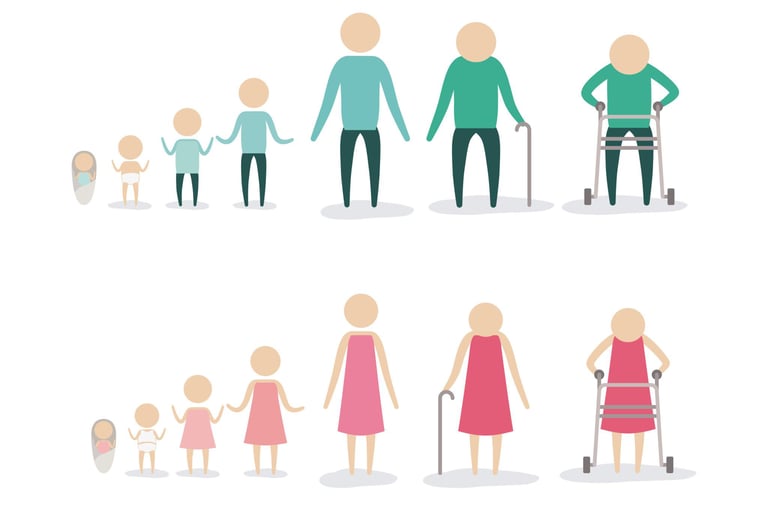
The difference in life expectancy between men and women is one of the most consistent trends in human health.
Women live longer in nearly every region
Men have higher mortality rates at almost all ages
The gap starts early, even at infancy
While the size of the gap varies slightly depending on location and lifestyle, the overall trend remains clear: women have a survival advantage throughout life.
Hormonal Protection
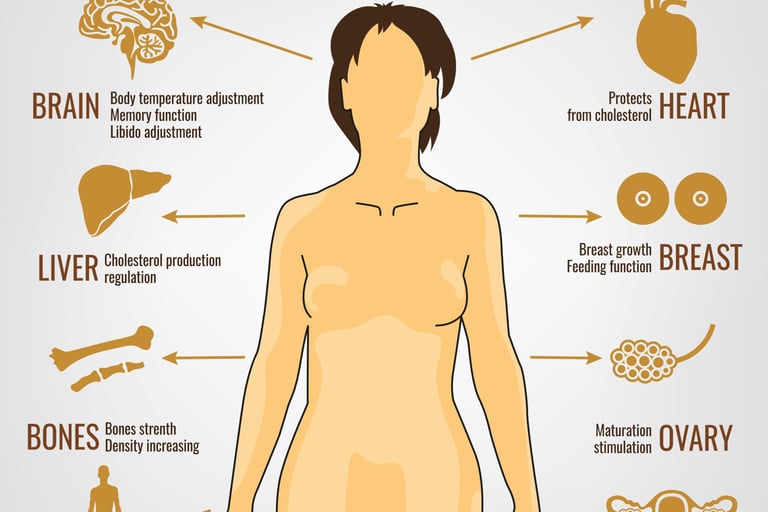
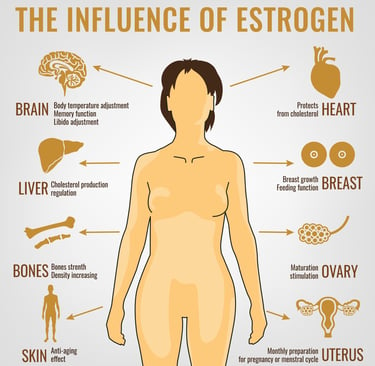
Estrogen, a key female hormone, plays a protective role in the body. It supports heart health, improves blood circulation, and reduces the risk of cardiovascular diseases—especially in earlier stages of life.
Stronger Immune System
Women generally have stronger immune responses. They are better at fighting infections and recovering from illnesses. This contributes to lower mortality rates, particularly in early and middle life.
Risk-Taking Behavior
Men are more likely to engage in risky activities, including dangerous driving, extreme sports, and high-risk occupations. These behaviors increase the chances of accidents and early death.
Health Habits
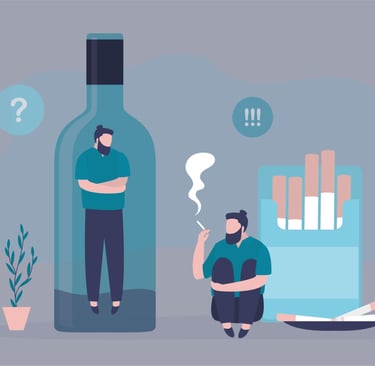
Statistically, men are more likely to smoke, consume alcohol excessively, and maintain unhealthy diets. Over time, these habits lead to serious health problems such as heart disease, cancer, and liver issues.
Heart Disease
Men are more likely to develop heart disease at a younger age and have higher death rates from heart-related conditions. Women benefit from early hormonal protection, which delays these risks.
Chronic vs Fatal Conditions
Women often experience chronic but manageable conditions, while men are more likely to suffer from life-threatening diseases. This difference plays a major role in overall lifespan.
Stronger Social Bonds
Women typically build stronger relationships and social networks. Emotional support from friends and family is closely linked to longer life and better mental health.
Better Stress Management
Women are more likely to talk about their stress and seek support. Men, on the other hand, often internalize stress or cope through harmful behaviors, which can negatively impact long-term health.
Can Men Live Longer Too?
Yes—the gap is not fixed. Men can significantly improve their lifespan by making smarter lifestyle choices.
Key Steps to Improve Longevity
Maintain a balanced diet
Exercise regularly
Avoid smoking and limit alcohol
Schedule routine health checkups
Manage stress and build strong relationships
Even small changes can lead to meaningful improvements in long-term health.
Conclusion
Women live longer than men due to a combination of genetics, hormones, behavior, and social factors. While biology provides a strong foundation, lifestyle choices play an equally important role.
The encouraging news is that longevity is not predetermined. With better habits, awareness, and preventive care, men can close the gap and enjoy longer, healthier lives.
FAQs
1.Why do women live longer than men?
Women live longer due to genetic advantages, hormonal protection, stronger immune systems, and healthier lifestyle habits.
2.How much longer do women live?
On average, women live about 4–6 years longer than men globally.
3.Do hormones affect lifespan?
Yes, hormones like estrogen help protect against heart disease and support overall health.
4.Is the lifespan gap the same everywhere?
No, it varies slightly by country, but women live longer in almost all regions.
5.Can men increase their lifespan?
Yes, by improving lifestyle habits, seeking regular healthcare, and reducing risky behaviors.





Healthcare Awareness
Women are generally more proactive about their health. They tend to visit doctors more often, go for regular checkups, and seek early treatment. Men often delay medical care, which can result in more advanced illnesses.
Genetic Advantage
Women have two X chromosomes, while men have one X and one Y. This gives women a natural genetic backup. If one X chromosome carries a defect, the other can compensate. Men don’t have this advantage, making them more vulnerable to certain genetic conditions.